-1772284199.png)
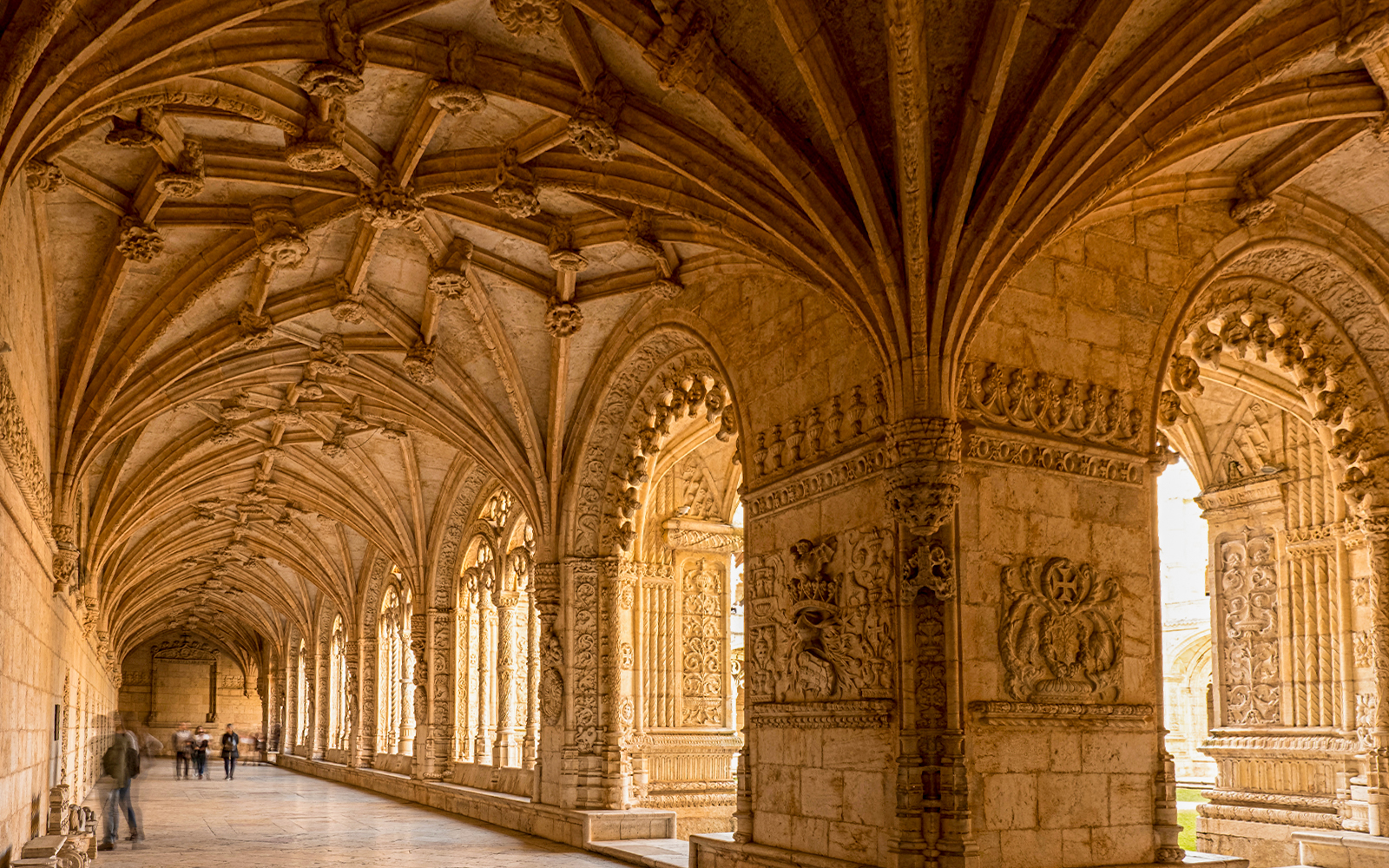

In the district of Belém, one structure stands as the ultimate testament to the "Golden Age" of Portugal: the Mosteiro dos Jerónimos. From the outside, its white limestone facade glows under the Atlantic sun, appearing almost like a giant sandcastle. But to truly appreciate this UNESCO World Heritage site, one must look past the grand scale and focus on the "ins and outs" of its intricate carvings.
The Manueline Language
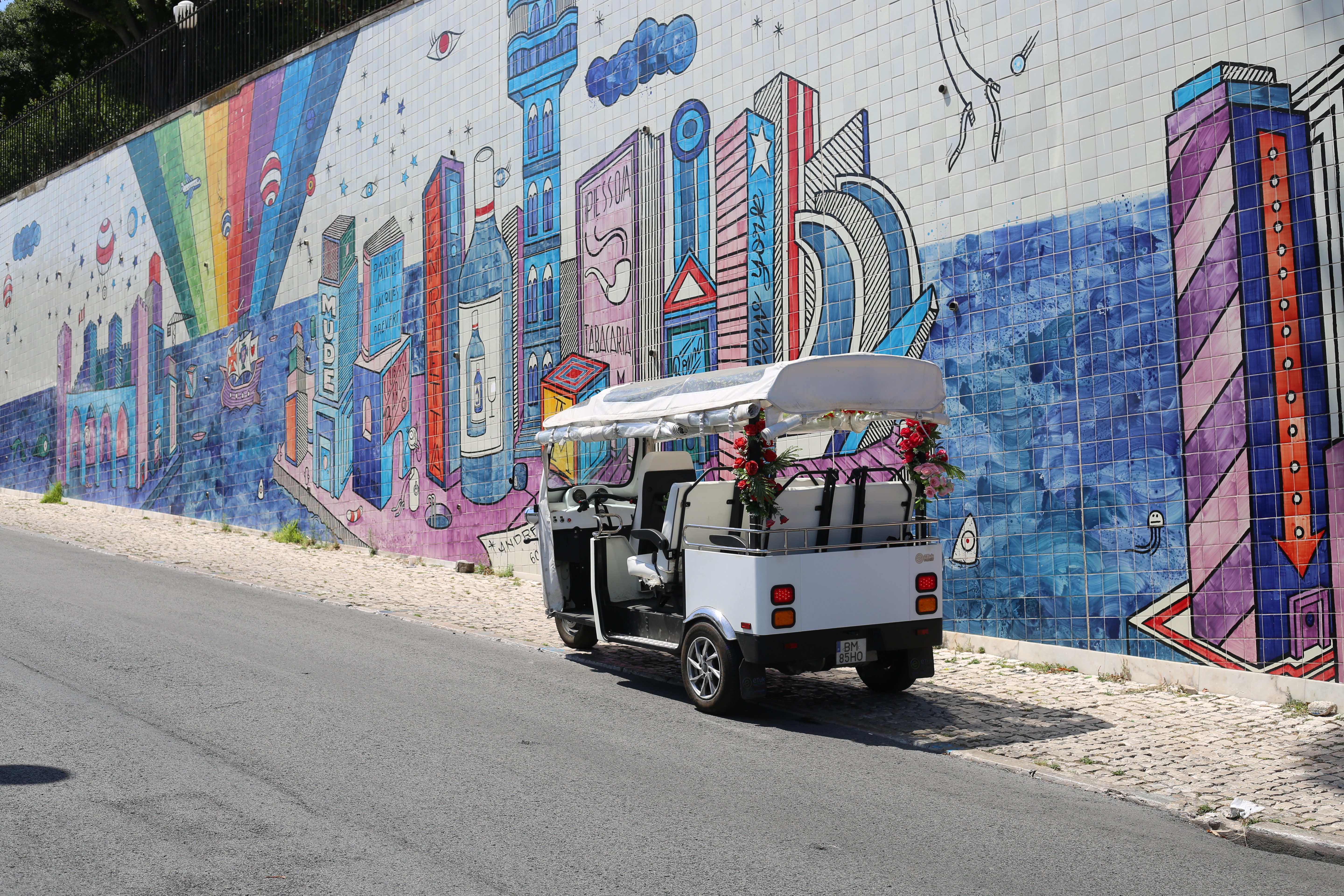
The monastery is the world’s greatest example of Manueline architecture. This style only existed for a brief window in the early 16th century, commissioned by King Manuel I. Insightfully, Manueline isn't just a style; it is a visual language of discovery. As we stop the tuk-tuk at the South Portal, I encourage my guests to look for the details. You won't see the typical gargoyles of Northern Europe. Instead, the stone is alive with maritime symbols: twisted ropes, anchors, navigational instruments, and exotic botanical elements like artichokes and corn—plants that were "alien" to Europeans before the Portuguese voyages.
This was the 16th-century version of a high-tech corporate headquarters. It was built to impress the world and to thank God for the success of Vasco da Gama’s voyage to India. In fact, the tomb of Vasco da Gama sits just inside the entrance of the Church of Santa Maria, facing the tomb of the great poet Luís de Camões. Standing between them, you are standing between the man who mapped the world and the man who wrote the epic soul of the nation.
The Cloisters: A Masterclass in Light
While the church is free and grand, the true "insider" experience is entering the cloisters. Many visitors skip this due to the ticket line, but for Tripzuo guests, we emphasize its importance. The two-story cloister is a masterpiece of light and shadow. Each column is uniquely carved; no two are the same.
The monks of the Order of Saint Jerome, who lived here, were tasked with praying for the King’s soul and for the safe return of the sailors. There is a profound irony in the silence of these cloisters—they were built with the literal "blood and spice" money of the pepper trade. Every stone was paid for by a 5% tax on eastern riches. When you walk these halls today, the insight is clear: the monastery is a monument to a time when Portugal held the keys to the world, turning the salt of the sea into the stone of a cathedral.
-1775153649.png)
Comment (0)
Leave A Comment: