
-1772284199.png)
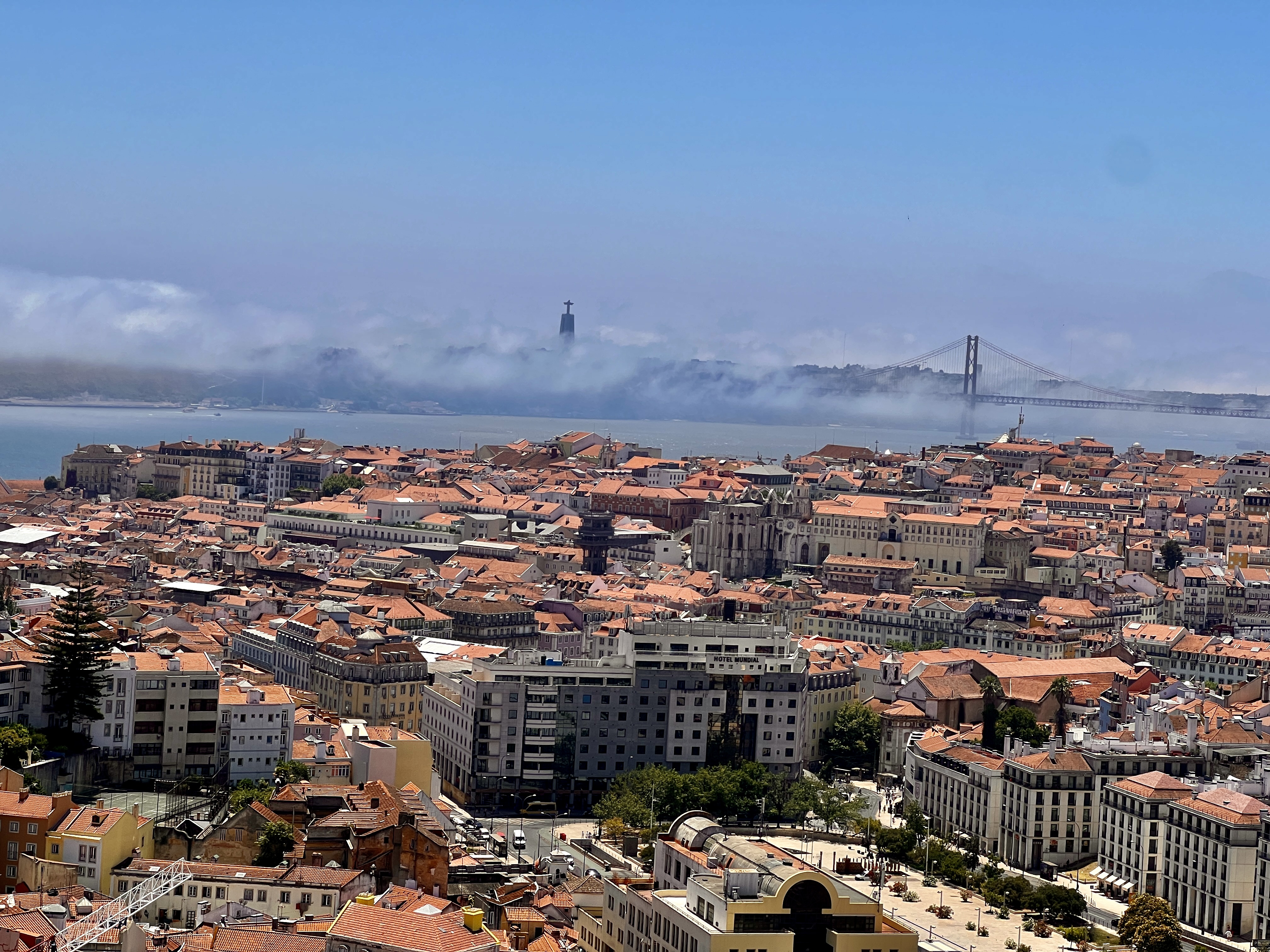

To understand Lisbon, you must first understand the concept of Saudade—a word with no direct English translation, describing a deep, melancholic longing for something or someone that is gone. There is no place on earth where this feeling is more tangible than in the Old Town. Comprising the historic districts of Alfama and Mouraria, this area is the only part of the city that remained standing after the Great Earthquake of 1755. While the rest of Lisbon was rebuilt with grand, straight avenues, the Old Town kept its secrets, its narrow alleyways, and its medieval soul.
The Labyrinth of Alfama
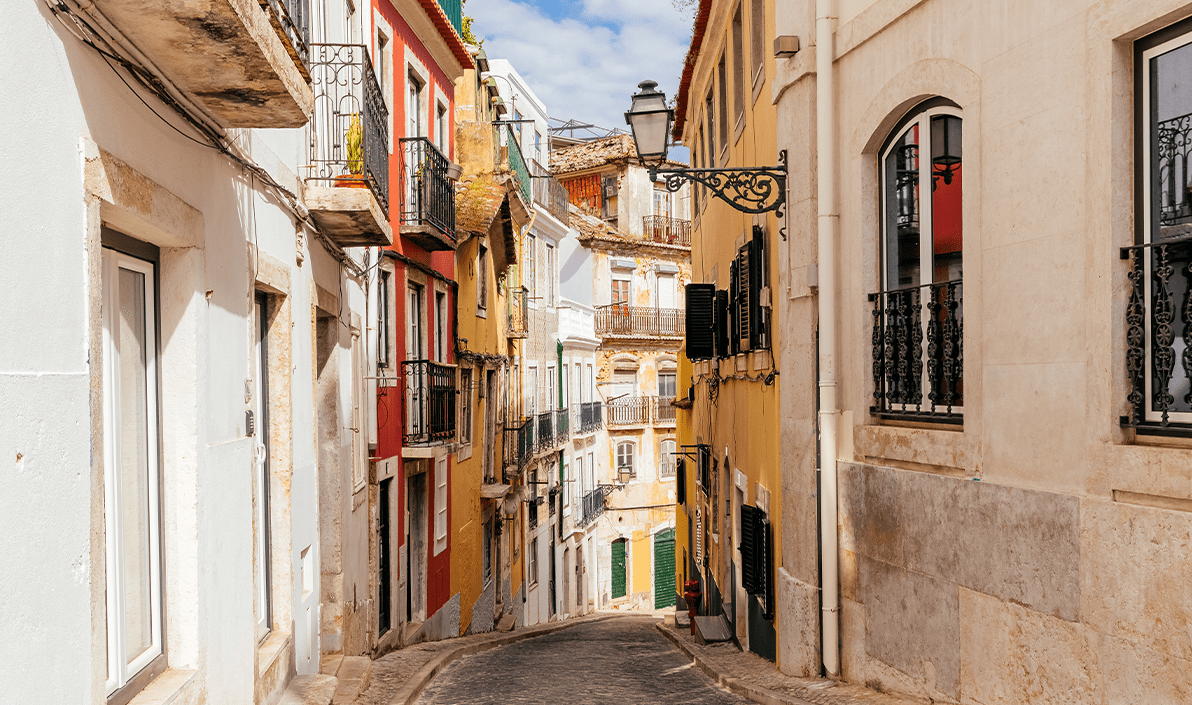
When I take guests through Alfama in the Tripzuo tuk-tuk, the first thing they notice is the shift in atmosphere. The air grows cooler between the high, stone walls, and the sounds of the modern city—the roar of traffic and the clatter of commerce—simply vanish. In their place, you hear the domestic symphony of Lisbon: the flutter of laundry drying on wrought-iron balconies, the distant strum of a guitar, and the chatter of neighbors across the becos (alleys).
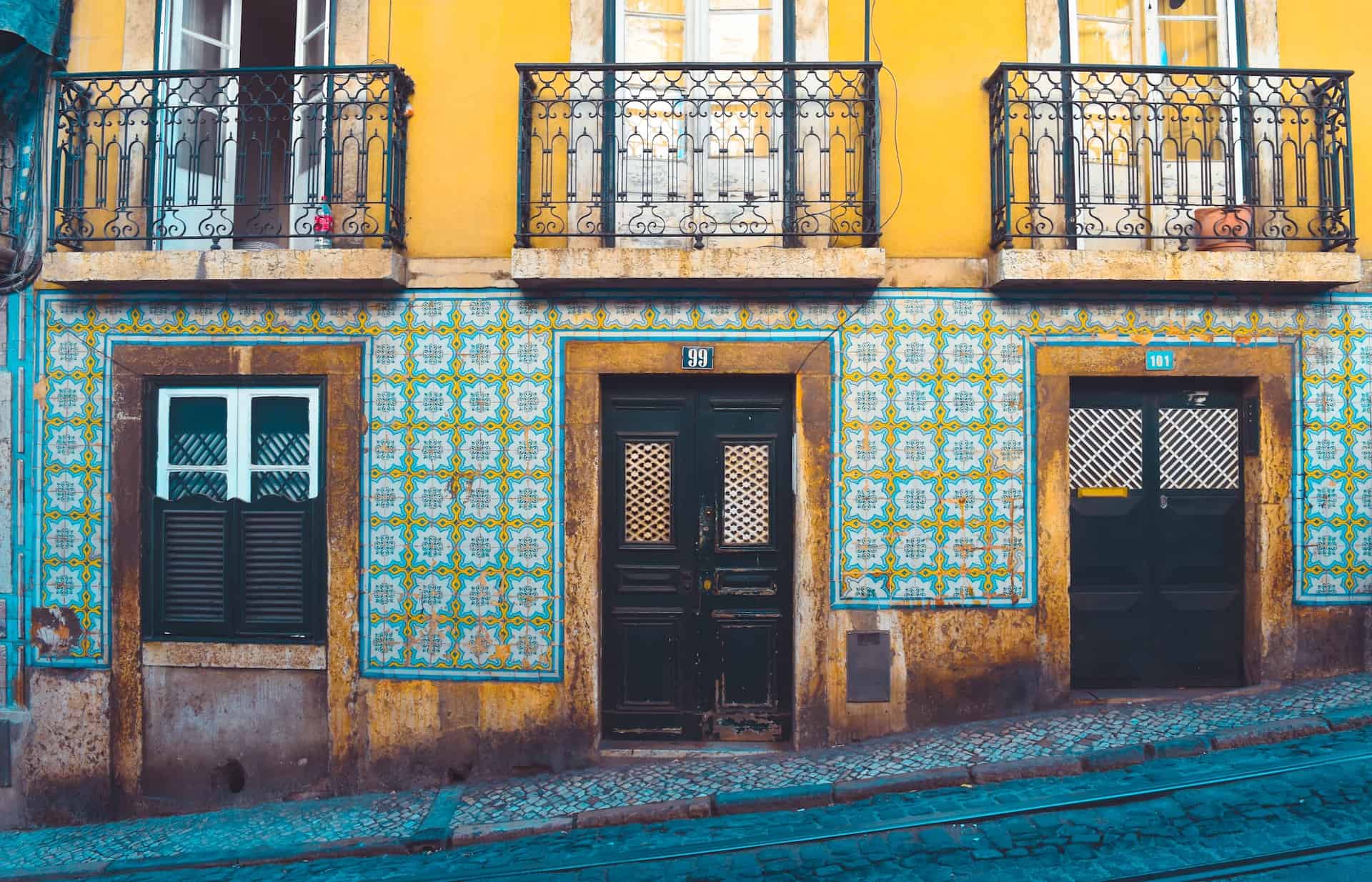
Navigating Alfama is a sensory experience. The walls are adorned with Azulejos, the iconic tin-glazed ceramic tiles. While tourists see them as beautiful backdrops for photos, they are actually historical artifacts. Many of these tiles feature religious motifs, placed there as "spiritual protection" for the homes during the 18th century. As we climb the steep inclines toward the Castle of Saint George (Castelo de São Jorge), we bypass the crowded, sweaty trams. This is the "ins and outs" of a private tour—we find the quiet corners, like the Miradouro de Santo Estêvão, a hidden terrace that offers a panoramic view of the red-tiled roofs and the Tagus River without the crushing crowds.
Mouraria: The Birthplace of Fado
Just a stone's throw away lies Mouraria, arguably the most authentic neighborhood in the city. Historically, the Moorish quarter, it is now the most multi-cultural district in Lisbon. More importantly, it is the cradle of Fado, the soulful music of Portugal. In Mouraria, Fado isn't just a performance for tourists; it is a way of life.
As we roam these streets, we stop to see the "Steps of Fado," where portraits of legendary singers like Amália Rodrigues are etched into the walls using a unique stone-graffiti technique. Insightfully, the layout of Mouraria—with its winding, interconnected stairs—served as the perfect acoustic chamber for the voices of the poor and the marginalized to echo their sorrows into the night. When you walk these streets, you aren't just a tourist; you are a guest in a neighborhood that has refused to change for centuries.

-1775153649.png)
Comment (01)
inima vincent
1 year agoI really need to tour france
Leave A Comment: