
-1772284199.png)
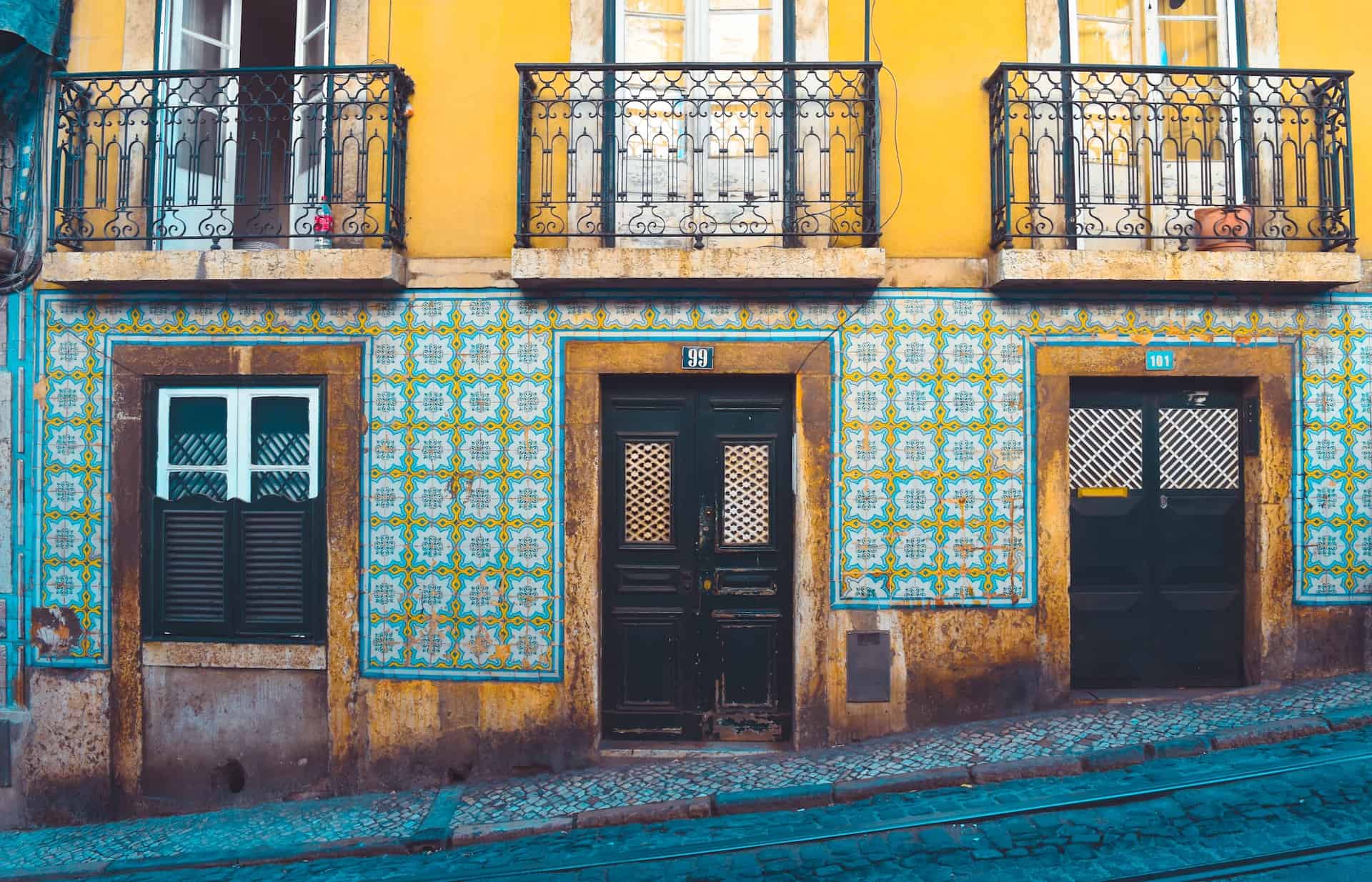

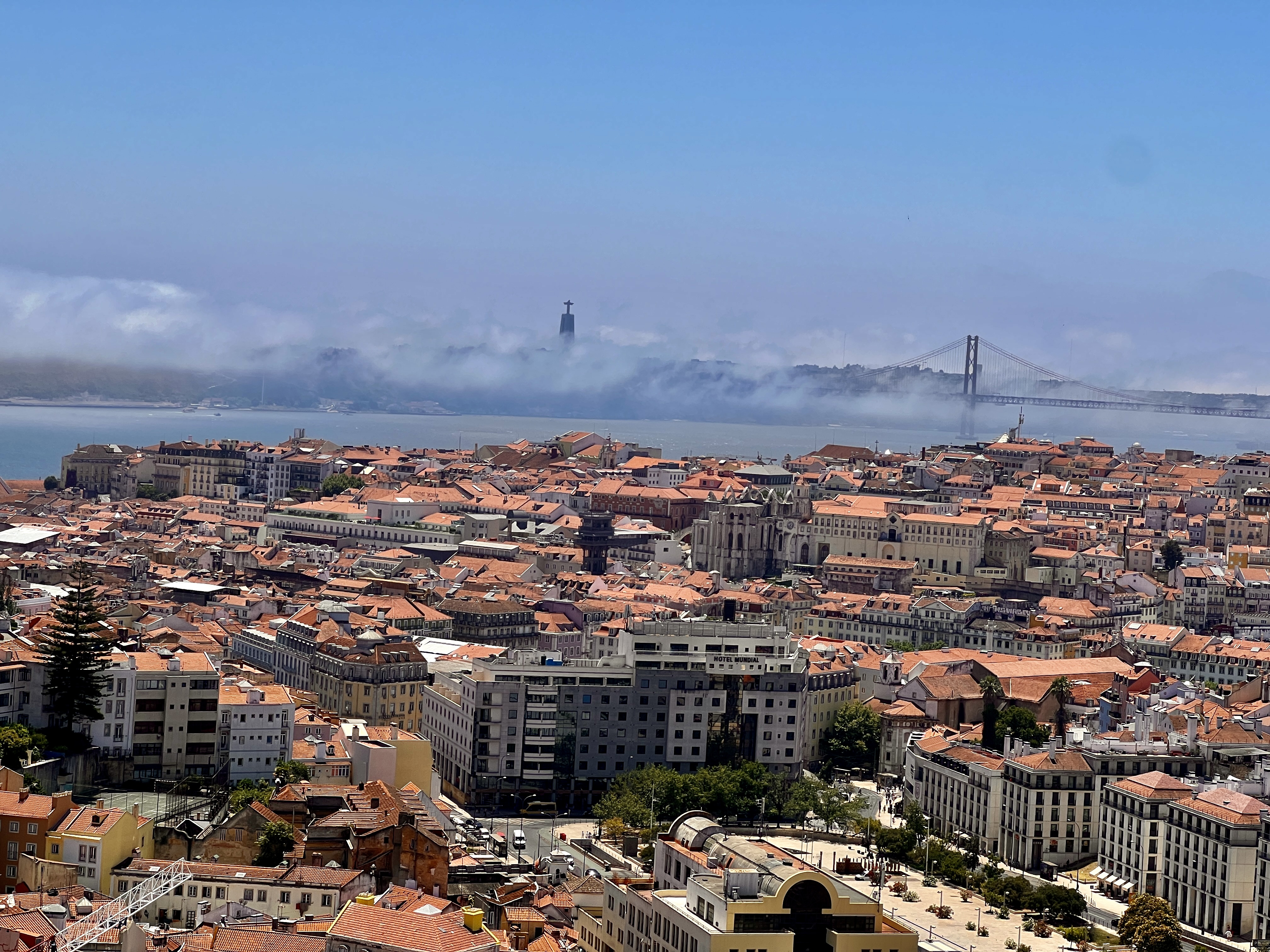
When travelers think of "Old Town," their minds immediately drift to the postcard-perfect slopes of Alfama. But to truly understand the historical DNA of Lisbon, you have to look toward its neighbor: Mouraria. This is the district that tourists often overlook, yet it is arguably the most significant cultural crossroads in the city. If Alfama is Lisbon’s face, Mouraria is its heartbeat—raw, diverse, and unapologetically authentic.
A Sanctuary of Diversity
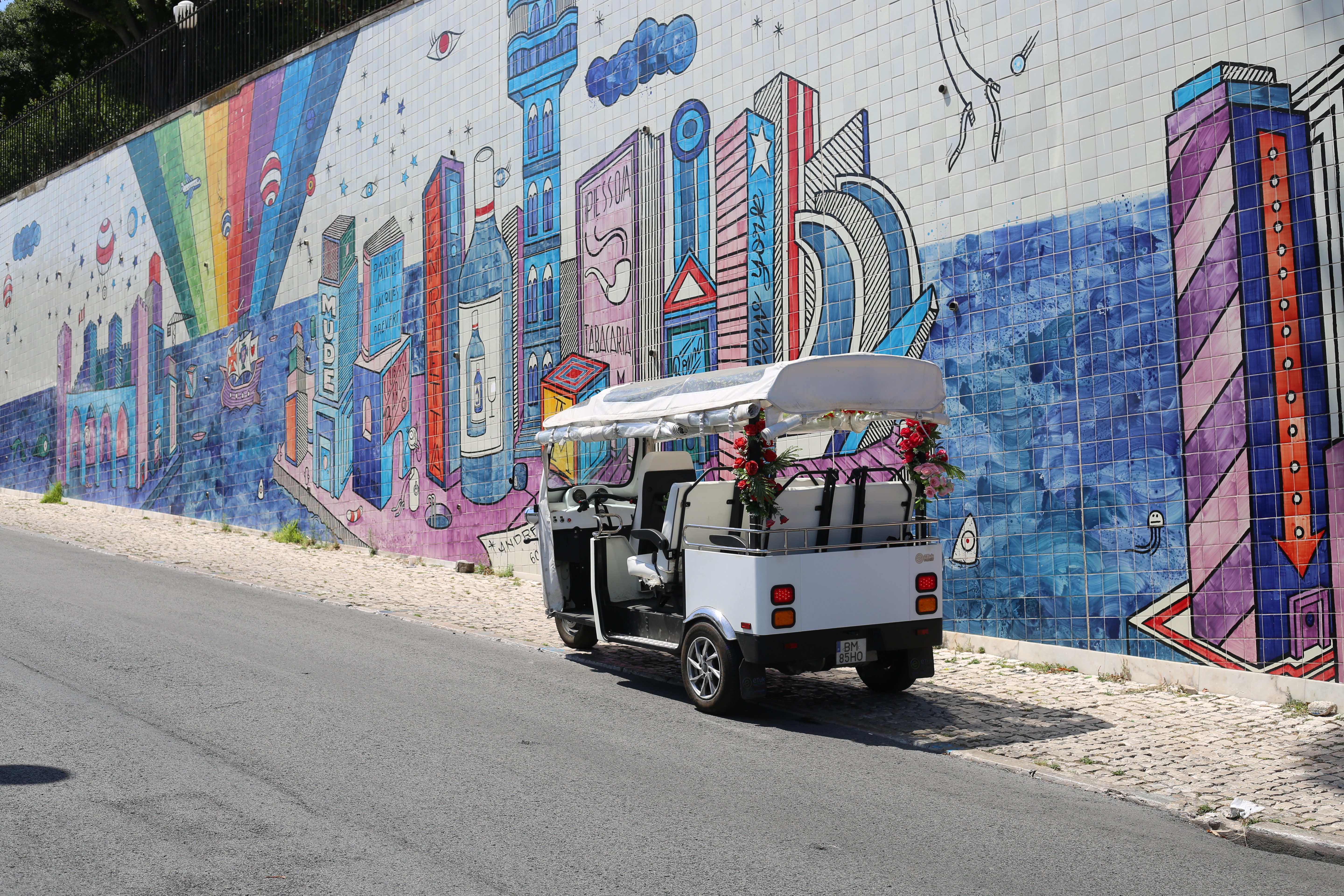
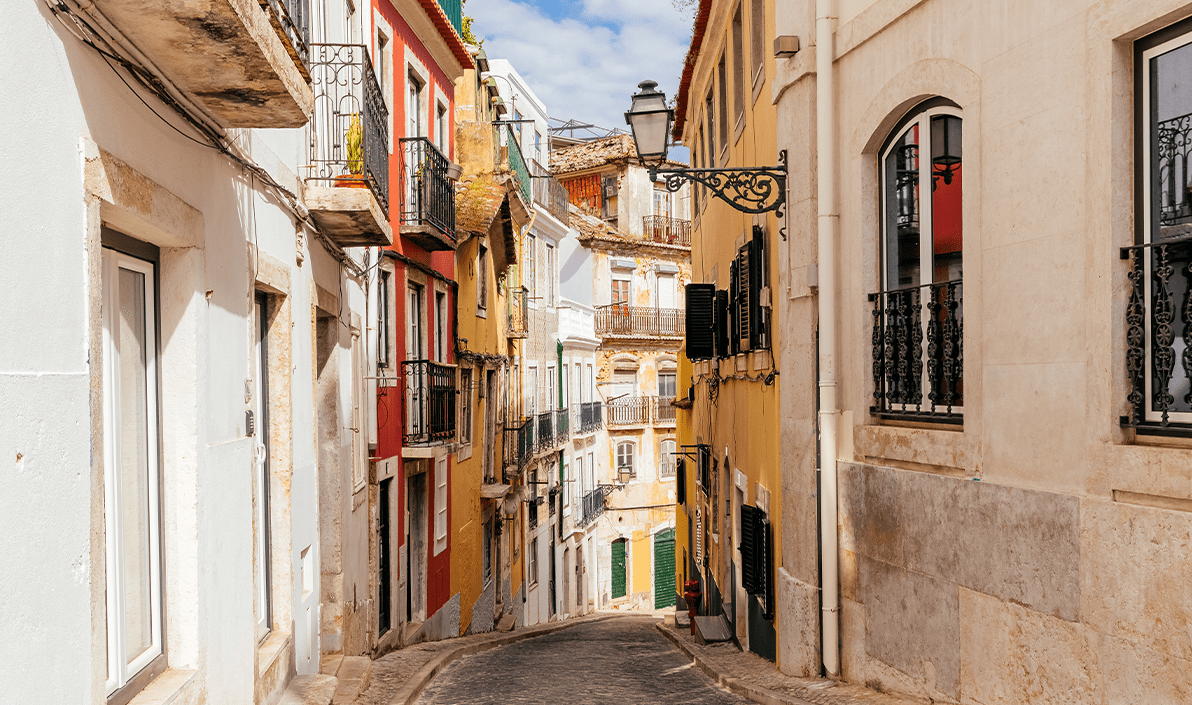
The name "Mouraria" itself tells a story of the 12th century. After the Christian Reconquest of Lisbon in 1147, the Moorish population was relocated to this specific area outside the city walls. For centuries, it remained a marginalized space, which ironically allowed it to become a sanctuary for outsiders, artists, and rebels. Today, as we navigate the Tripzuo tuk-tuk through its winding "becos," you’ll notice that this Moorish heritage is still etched into the architecture—the horseshoe arches and the tight, cooling street layouts are direct descendants of Islamic urban planning.
Insightfully, Mouraria has maintained this "outsider" identity into the 21st century. It is currently home to over 50 different nationalities. You can smell the aroma of Bangladeshi spices, Chinese tea, and Portuguese grilled sardines all within a single block. This isn't a "museum" neighborhood; it is a thriving, breathing community where the traditional tasca (local tavern) sits comfortably next to a modern immigrant-run grocery.
The Birth of the Blue Note: Fado
Perhaps the most profound "ins" of Mouraria is its claim as the birthplace of Fado. While Alfama often gets the credit for the tourist shows, the soul of this melancholic music was forged in the taverns of Mouraria by the poor and the marginalized. It was here that Maria Severa Onofriana, the first great Fado singer, lived and died.
As we roam through the Rua da Guia, I often point out the "Fado Portraits" created by artist Camilla Watson. These aren't just paintings; they are photographs of local residents and Fado legends fired onto ceramic tiles and embedded into the very stone of the buildings. To see these faces is to understand that in Mouraria, history isn't something you read in a book—it’s someone you share a coffee with at the corner cafe. This neighborhood teaches us that Lisbon’s beauty doesn’t just come from its monuments, but from its ability to absorb every culture that has ever called its hills "home."
-1775153649.png)
Comment (0)
Leave A Comment: