
-1772284199.png)
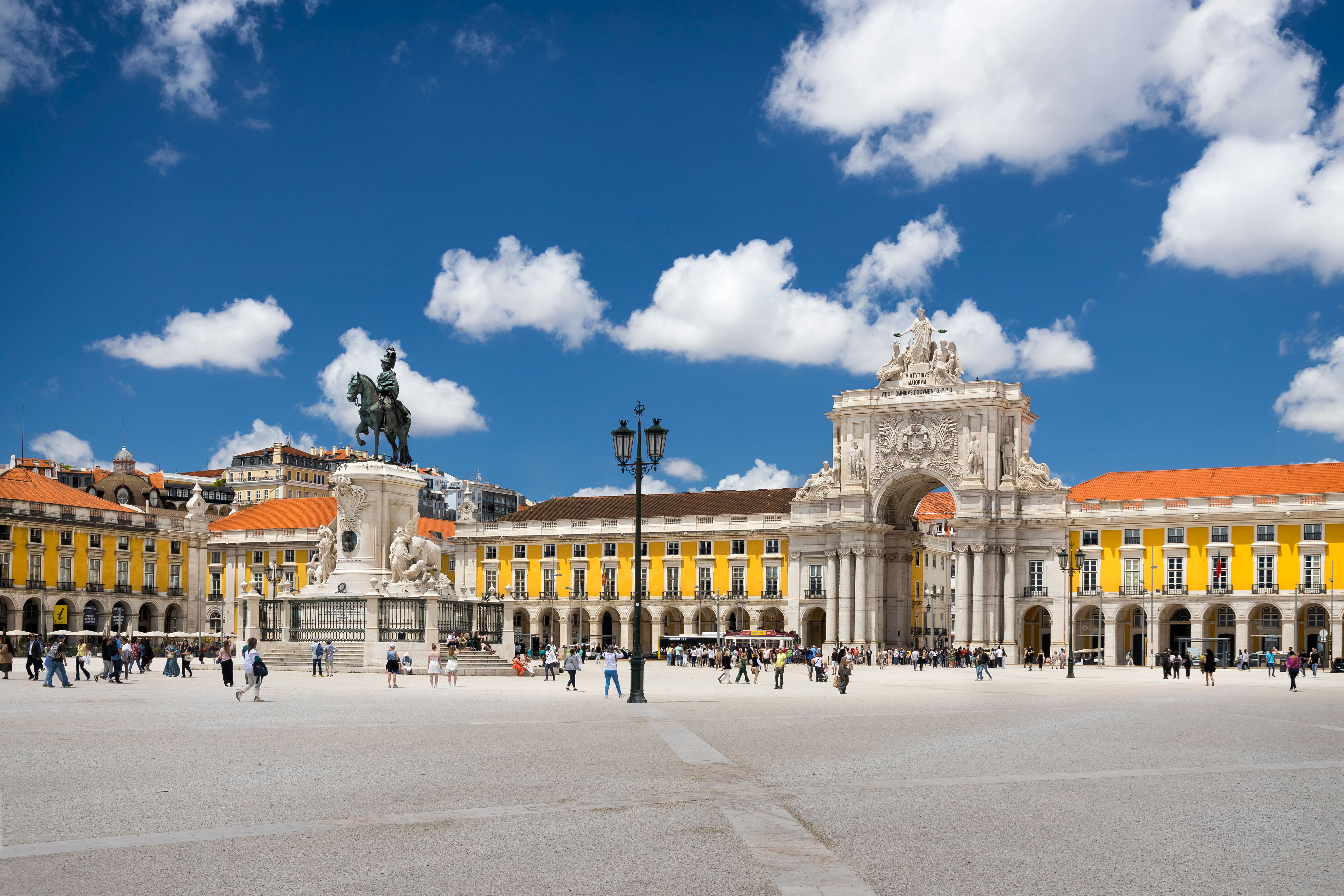

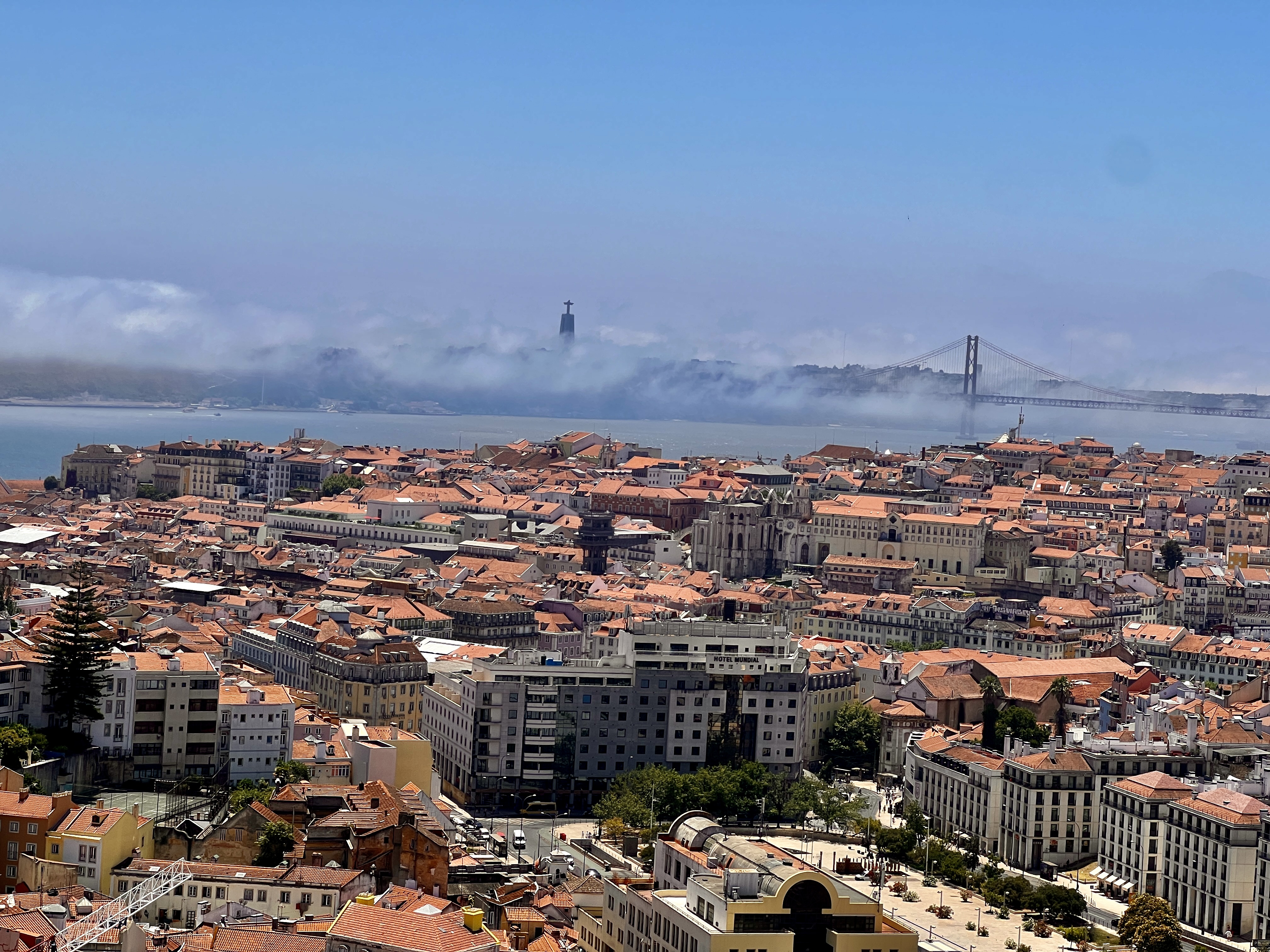
To the uninitiated, the center of Lisbon might seem like one large shopping district. However, there is a distinct "vibe shift" that happens as you move from the flat streets of the Baixato the elevated elegance of Chiado. Understanding this contrast is the key to mastering the city’s center.
Baixa: The Master Plan
The Baixa Pombalina is a triumph of human will over disaster. After the 1755 earthquake, the Marquis of Pombal didn't just rebuild; he reinvented. The insight here is the grid system. In an era of messy, medieval streets, the Baixa was designed with military precision. The streets are wide to allow for airflow and to prevent the spread of fire.
As we drive the tuk-tuk through Rua Augusta, notice the height of the buildings—they are all uniform. This wasn't for aesthetics alone; it was for structural integrity. The "out" of Baixa is the souvenir shops and international chains; the "in" is looking up at the facades. You are looking at the world's first large-scale application of earthquake-proof engineering. The buildings were tested using wooden models and marching troops to simulate seismic waves. Baixa is the "brain" of Lisbon—logical, sturdy, and commercial.
Chiado: The Literary Soul
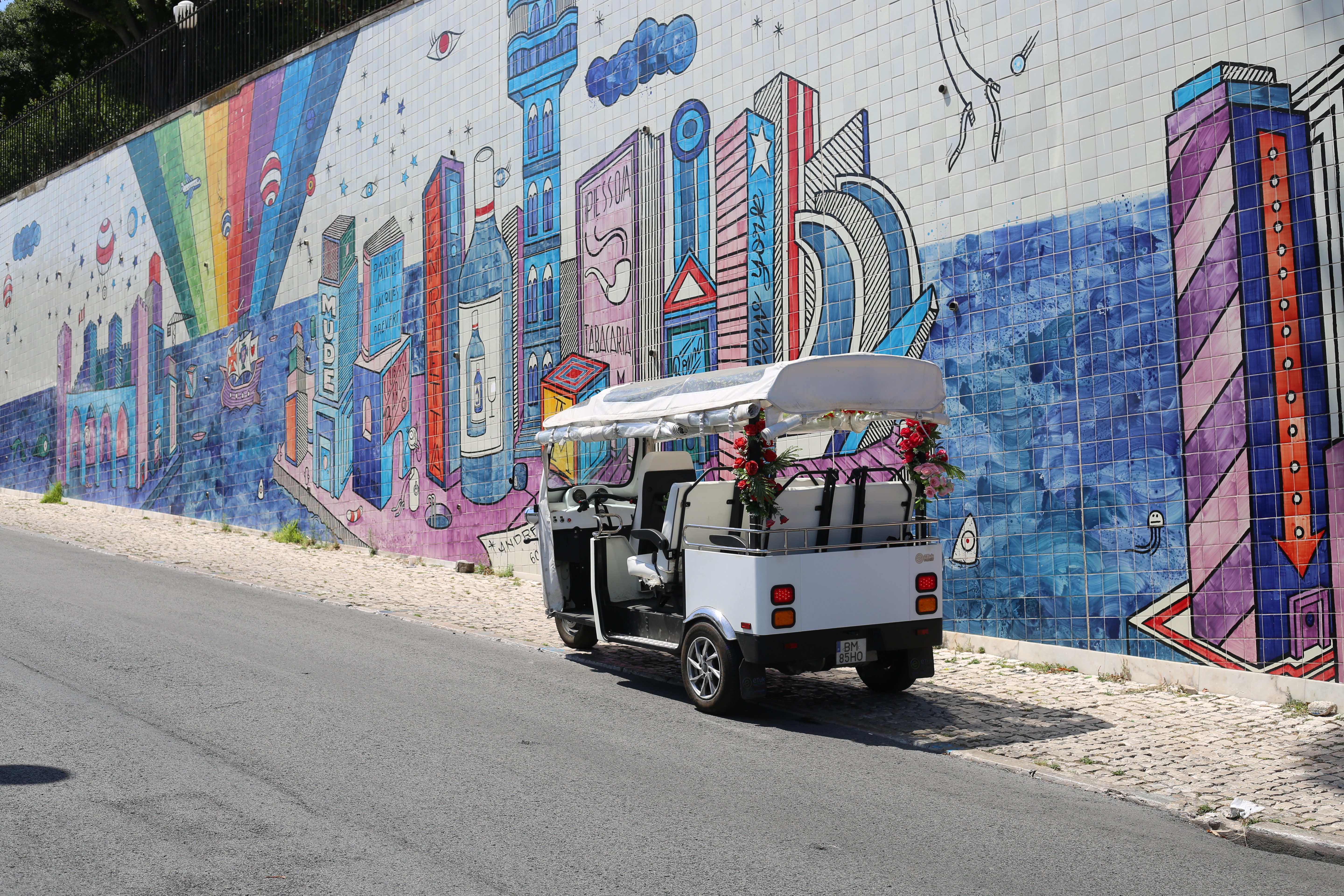
Just a short, steep climb away (where the tuk-tuk really proves its worth) lies Chiado. If Baixa is the brain, Chiado is the "ego." This has been the aristocratic and intellectual heart of Lisbon since the 18th century. It is the land of grand theaters, historic cafes, and the world's oldest bookstore, Bertrand.
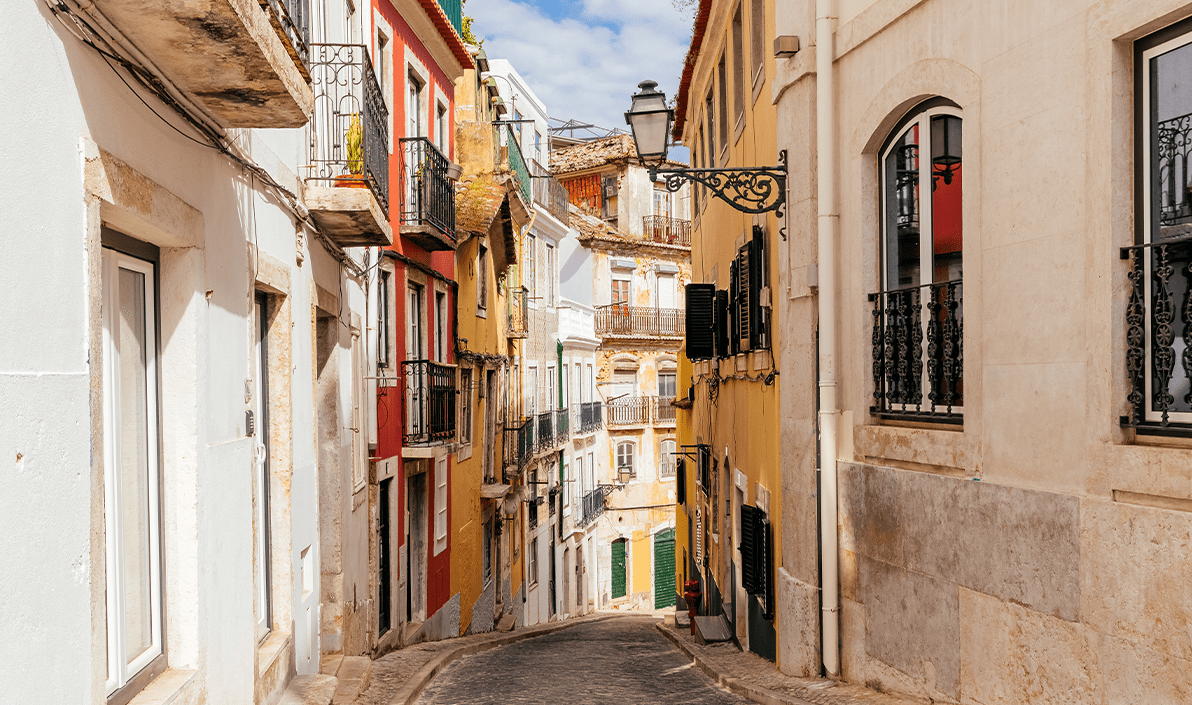
The contrast is fascinating. While Baixa was built for trade, Chiado was built for "seeing and being seen." This is where the poet Fernando Pessoa used to sit at A Brasileira, sipping his bica (espresso) and watching the world go by. Insightfully, Chiado feels "lighter" than Baixa. Even after the devastating fire of 1988, which destroyed a large portion of the district, the restoration led by architect Álvaro Siza Vieira maintained that sense of 19th-century romanticism.
When you spend an afternoon here, the best way to experience it is to embrace the "Largo do Chiado"—the square where people gather. It acts as a bridge between the shopping of the day and the nightlife of the neighboring Bairro Alto. To know Lisbon is to know how to navigate the transition from the structured commerce of the Baixa to the bohemian, literary daydream of the Chiado.
-1775153649.png)
Comment (0)
Leave A Comment: