
-1772284199.png)
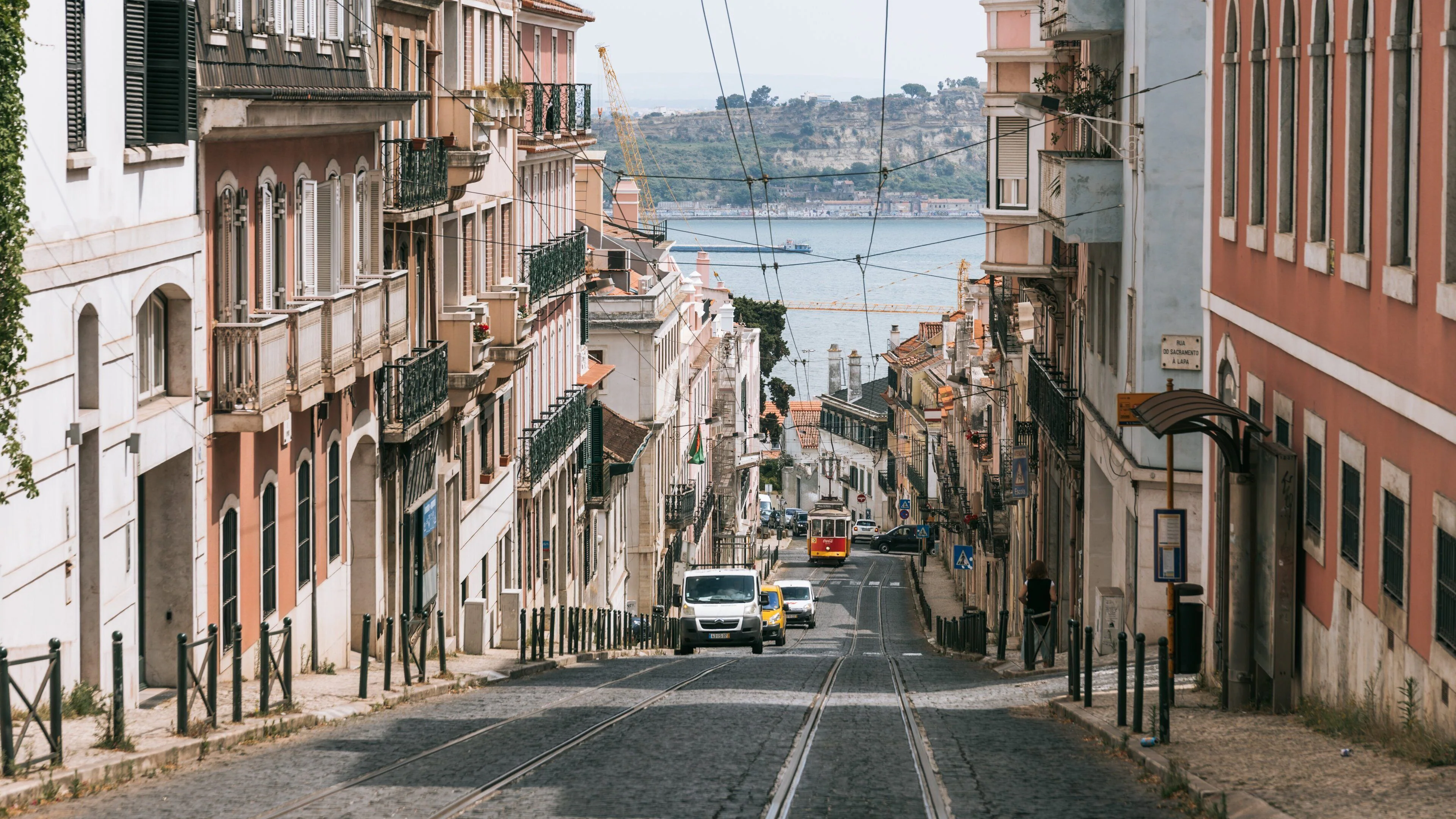

While many tours stay in the "Big Three" lowlands, the Tripzuo experience often climbs toward Estrela and Príncipe Real. These neighborhoods represent the "Nobility" of the City Center—areas where the 19th-century elite built their palaces to escape the humidity of the riverfront.
The Basilica and the Garden
The Basilica da Estrela is one of the most beautiful late-Baroque monuments in Europe. Its giant white dome is visible from almost anywhere in the city. The insight here is the story of Queen Maria I, who built the church as a vow to God after the birth of her son.
Opposite the Basilica is the Jardim da Estrela, an English-style garden that feels like a tropical oasis. It is filled with exotic trees brought back from the colonies—rubber trees from Brazil and banyans from India. In the tuk-tuk, we pass the iconic Yellow Tram 28 which rattles right past the garden gates. It’s a scene that feels like it hasn't changed since the 1920s.
The Trendsetters of Príncipe Real
Continuing the climb, we enter Príncipe Real. This is the trendiest district in Lisbon today, but its beauty lies in its 19th-century bones. The Embaixada, a neo-Moorish palace turned into a concept store, is the perfect example of "palace-to-lifestyle" conversion.
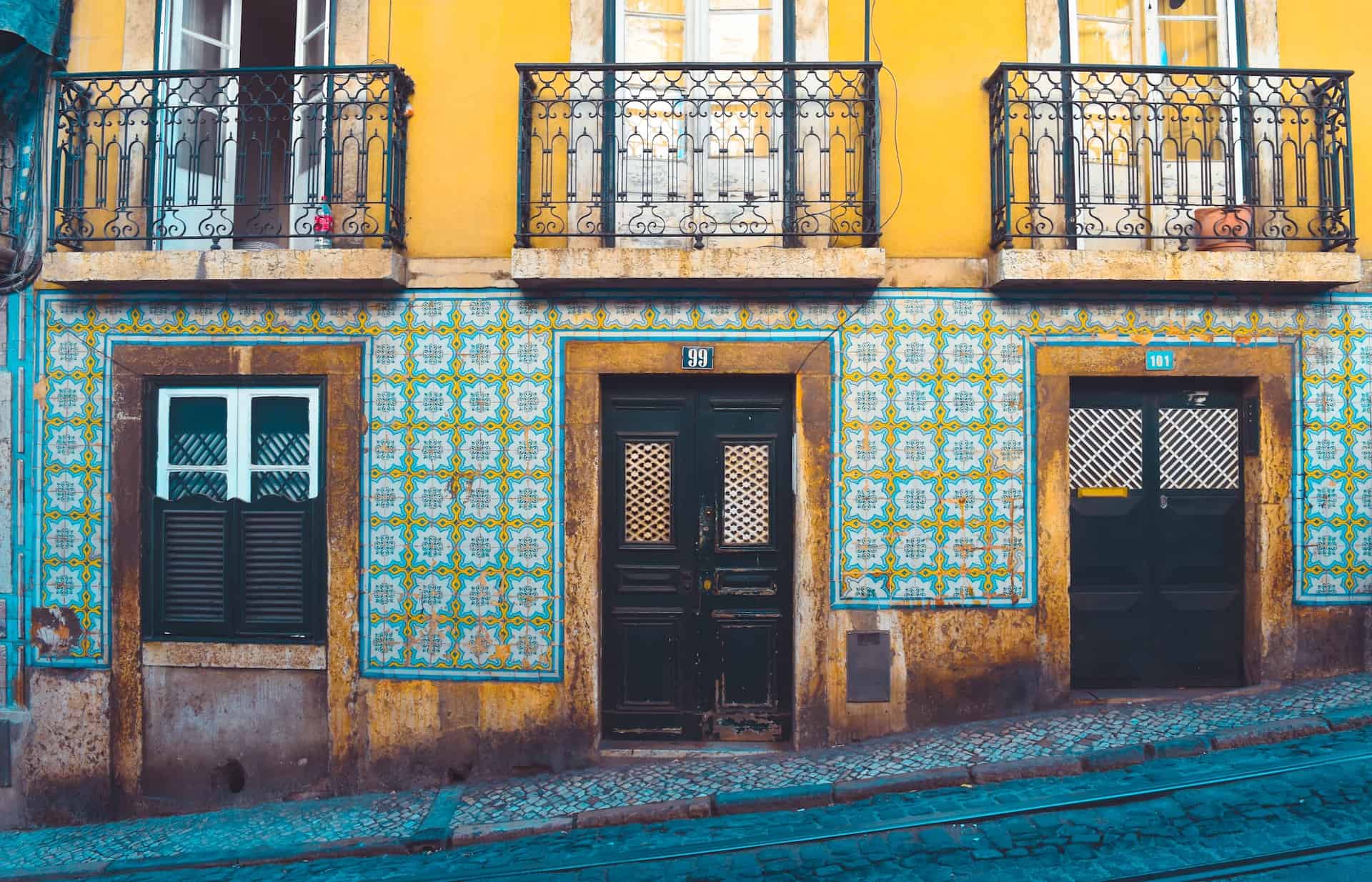
The insight for travelers here is the "Antiquarian" vibe. Príncipe Real is filled with independent galleries and antique shops that specialize in 18th-century tiles. It’s less about the "fast" tourism of the downtown and more about the "slow" luxury of the Lisbon upper class. When you sit under the giant cedar tree in the central plaza, you realize that Lisbon isn't just a historic city; it’s a sophisticated European capital that knows how to age with grace.
-1775153649.png)
Comment (01)
admin
11 months agosdfsdf
Leave A Comment: